
Fibermaxxing – What to Know
This month’s blog post is actually our first podcast of Integrative Discourse! The recent Tiktok trend of “fibermaxxing” has all of the health experts weighing in, so if you’re looking for a quick summary of what’s all over the web without needing to go on Tiktok, click here to listen. Pro Tip:💡 Use the first

Grow Your Practice with Social Media
1. Educate & Entertain: Become the Go-To Expert (Without Boring People to Death) The days of patients being content with clinical, dry information are long gone. Patients of today seek information that relates to their lives, challenges, and goals rather than merely statistics. The secret? Provide entertainment as well as education. What Works: Short-Form Videos:
Brain Boosters for Perimenopause
Perimenopause and menopause are gaining more attention in health education, a crucial development given that women spend one-third to one-half of their lives in this phase. Annually, approximately 2 million women in the United States enter menopause, translating to about 6,000 women per day. Projections indicate that by 2030, the global population of menopausal and
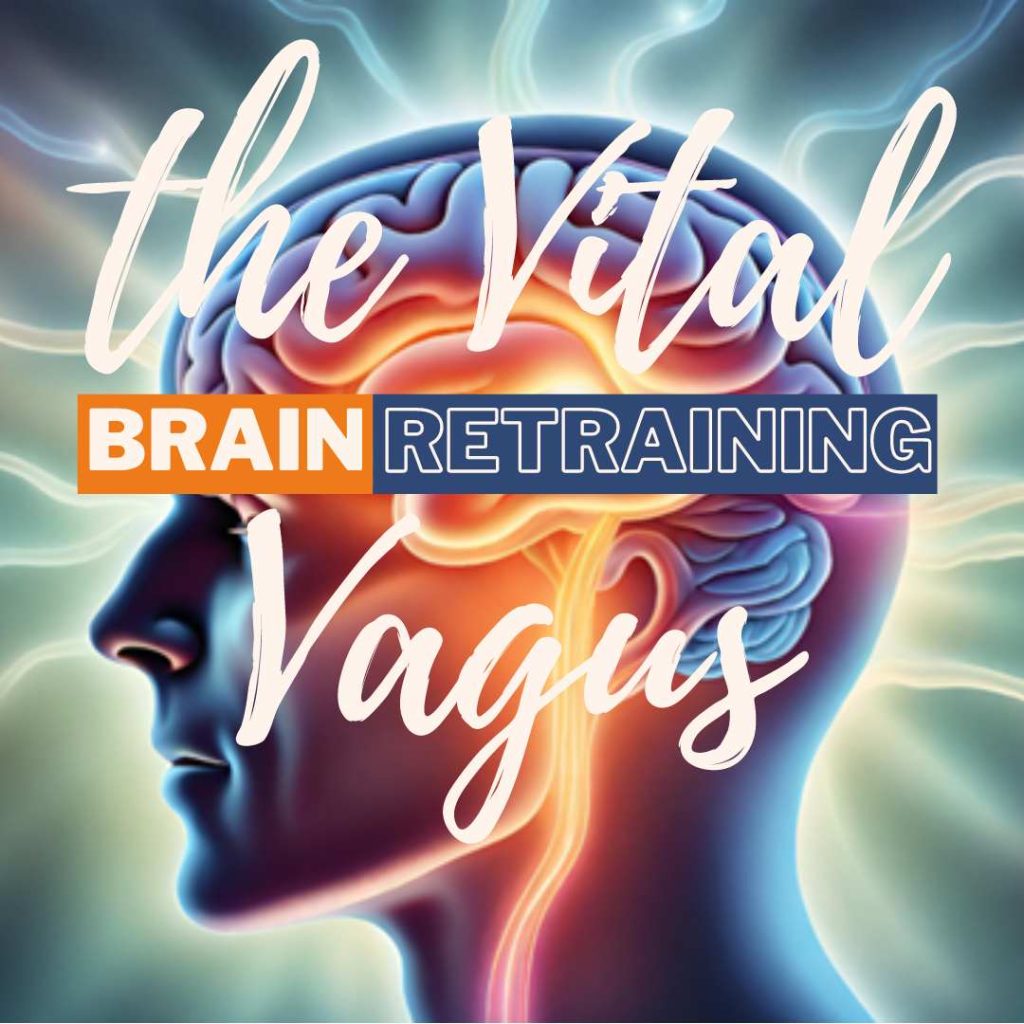
The Vital Vagus & Brain Retraining
The concept of brain retraining, or self-directed neuroplasticity, is rooted in the brain’s remarkable ability to adapt and change in response to new experiences and stimuli. This process is vital for learning new skills, adjusting to different environments, and even recovering from injuries or illnesses. In recent years, brain retraining has gained increasing recognition as
Evidence-Based Supplements for Long COVID
Long COVID, also known as post-acute sequelae of SARS-CoV-2 infection (PASC), refers to a range of symptoms that continue for weeks or months after the acute phase of the infection has passed. The prevalence of Long COVID can vary widely based on different studies and populations. Common symptoms of Long COVID include fatigue, shortness of
It’s Gratitude Season – A Special Note to Members
This time of year often generates more stress as we try to keep up with practice responsibilities, preparing for the holidays, and setting goals for our new year. Every so often, we like to remind you – our members – to take a moment of simple reflection to take in how hard you’ve already worked.